
Kick start your wholesome journey with JC Fit City APP




08 Jun 2026
Share
Many people overlook the most critical step—the warm-up—before sports activities or gym training due to time constraints or a lack of understanding. Jumping straight into high-intensity exercise can easily lead to muscle strains and joint discomfort. If you feel "sluggish" or stuck during exercise, it is usually due to a lack of proper warm-up movements.
JC Fit City details the benefits of a correct warm-up and the proper procedure below, providing examples of warm-up exercises for different muscle groups. Through this complete pre-workout tutorial, we help you reduce the chance of injury.

1. Increase Body Temperature and Muscle Elasticity: Raising core body temperature through low-intensity activity reduces muscle viscosity and increases the elasticity of muscles and tendons. This is like warming up and stretching a rubber band; it effectively reduces the risk of strains during exercise and is the first line of defense in injury prevention.
2. Promote Blood Circulation and Cardiopulmonary Adaptation: Warming up gradually increases heart rate and redistributes blood stored in internal organs to the skeletal muscles of the limbs. This increases oxygen delivery efficiency, preparing the cardiopulmonary system for the high-intensity load to come.
3. Activate the Nervous System and Enhance Performance: A proper warm-up wakes up nerve transmission and improves the brain's ability to control muscles (neuromuscular connection). For sports requiring explosiveness, agility, and coordination, this significantly enhances athletic performance.
Note: Pre-workout warm-ups should focus on "Dynamic Stretching" to simulate movement patterns; the cool-down phase after exercise is suitable for "Static Stretching."
A complete warm-up flow should include the following four stages, with a total recommended duration of 10 to 15 minutes:
1. Full-Body Aerobic Activity
Goal: Raise heart rate and body temperature.
Moves: Light jogging, cycling, jumping jacks.
Time: 3-5 minutes.
2. Joint Mobility
Goal: Stimulate secretion of synovial fluid to lubricate joints.
Moves: Rotations of neck, shoulders, wrists, hips, and ankles.
Time: 1-2 minutes.
3. Dynamic Stretching & Muscle Activation
Goal: Lengthen muscles and warm up specific muscle groups.
Moves: Lunge with twist, leg swings, high knees (see tutorial below).
Time: 3-5 minutes.
4. Sport-Specific Simulation
Goal: Adapt the body to the specific movement patterns about to be performed.
Moves: Basketball players doing layups, runners doing strides, weightlifters doing warm-up sets with light weights.
Time: 2-3 minutes.

Target Areas: Gluteus maximus, Hip joints.
Steps:
1. Stand and take a step forward.
2. Lift one knee, clasp hands around it, and pull it up towards your chest.
3. Feel the stretch in the glutes while keeping the upper body straight.
4. Lower the leg and switch sides.
Reps: 10 times per side.

Target Areas: Hip flexors, Quadriceps, Thoracic spine, Core.
Steps:
1. Take a large step forward into a lunge (back knee close to but not touching the ground).
2. Extend arms forward or place hands behind the head, and rotate the upper body towards the "front leg."
3. Feel the stretch in the front of the hip and the back.
4. Rotate back to center, step back, and switch sides.
Reps: 8-10 times per side.

Target Areas: Hamstrings, Core, Shoulder stability.
Steps:
2. Bend over and touch the floor (knees can bend slightly), walk hands forward until in a push-up position.
3. Tighten core and hold for 1 second.
4. Walk feet towards hands with small steps, keeping legs as straight as possible to feel the hamstring stretch.
5. Stand up to return to the starting position.
Reps: 5-8 times.
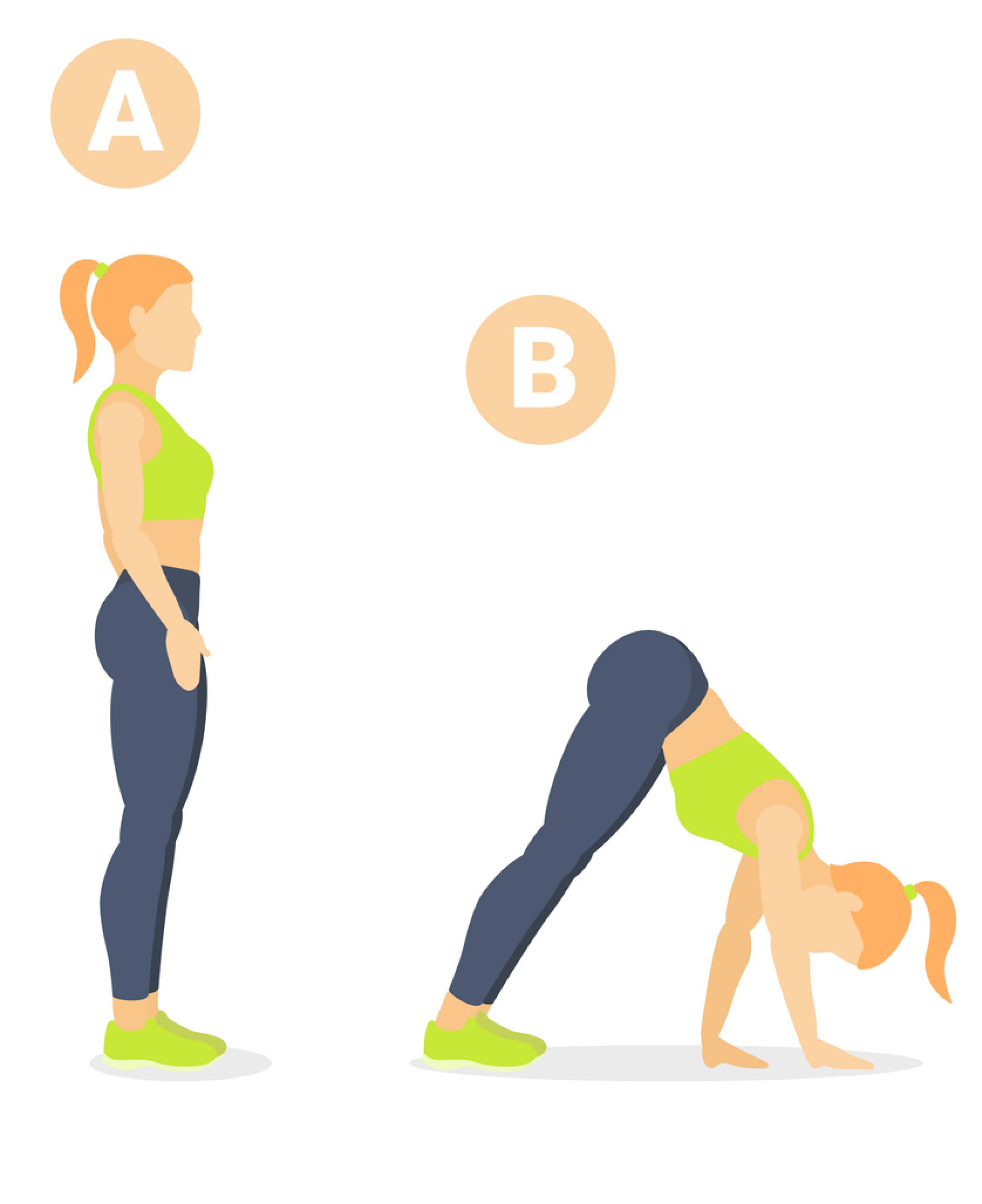
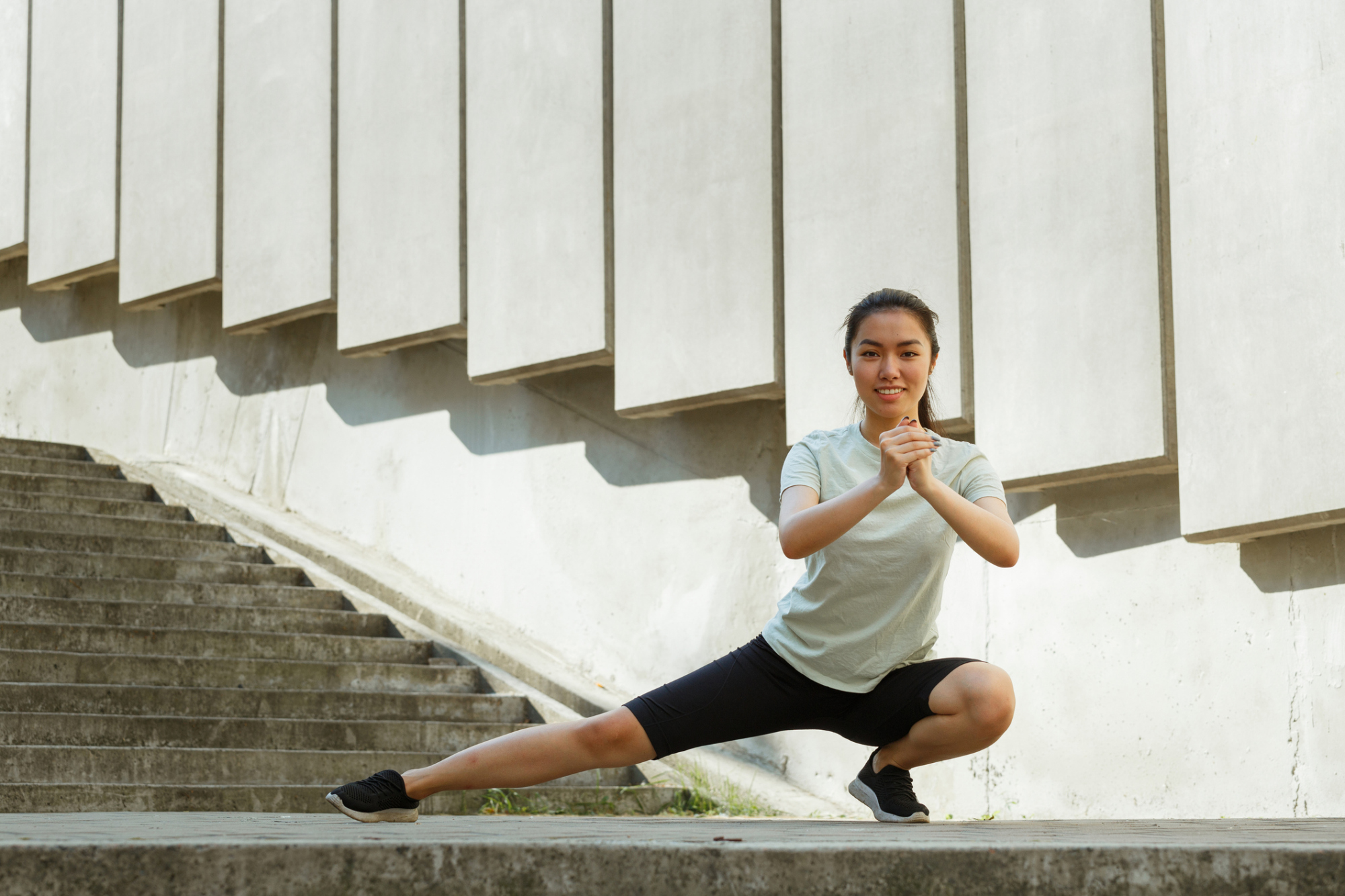
Target Areas: Inner thighs (Adductors), Hip mobility.
Steps:
1. Stand with a wide stance (about twice shoulder-width).
2. Shift weight to the right, bending the right knee into a squat while keeping the left leg straight.
3. Keep back straight and sit hips back.
4. Push off with the right foot to return to center, then switch to the left.
Reps: 8-10 times per side.
Target Areas: Shoulder joints, Pectoralis major, Upper back.
Steps:
1. Extend arms out to the sides.
2. Make small forward circles, gradually increasing size; then circle backwards.
3. Follow with horizontal arm swings (opening and closing); expand chest when opening, slightly arch back when closing.
Reps: Circles for 15 seconds each way, Open/Close 15 times.

Spending just 10 extra minutes a day on correct warm-up movements can not only drastically reduce the chance of injury but also make you perform stronger, faster, and longer. Starting today, don't skip the warm-up—follow these steps to get your body into peak condition!
Q1: How long should a warm-up be?
A: Generally, at least 10-15 minutes is recommended. If the weather is colder (winter), the body takes longer to warm up, so it is suggested to extend it to 20 minutes and wear warm clothing while warming up.
Q2: If I'm short on time, can I just do static stretching and start?
A: Absolutely not recommended. As mentioned, doing only static stretching before exercise cannot effectively raise body temperature and may even reduce muscle explosiveness. If time is tight, prioritize "Jogging" combined with "Dynamic Lunges" which is more effective than just stretching.
Q3: Will warming up make me tired?
A: Proper warm-up intensity should make you feel "slightly warm with a light sweat" with a heart rate reaching about 50-60% of your maximum heart rate. It should not make you feel exhausted or overly fatigued. If you are gasping for air after warming up, the intensity is too high and should be adjusted.

