
Kick start your wholesome journey with JC Fit City APP



20 May 2026
Share
In today's fast-paced lifestyle, finding an exercise routine that relieves mental stress while effectively engaging the body is essential. Compared to solitary and monotonous aerobic training, social dance—a perfect blend of beautiful music and physical art—offers a highly engaging alternative. This exercise not only demands physical coordination but also significantly enhances cardiopulmonary function and joint flexibility. Today, JC Fit City breaks down the various types of social dance and explores the profound health benefits this activity brings.
Social dance is a partner dance originating from social gatherings. It heavily relies on the synergy and connection between partners while requiring dancers to possess excellent body control. Social dance is primarily divided into two main categories: Ballroom and Latin. Here is a breakdown of common types of social dance and their unique physical training effects:
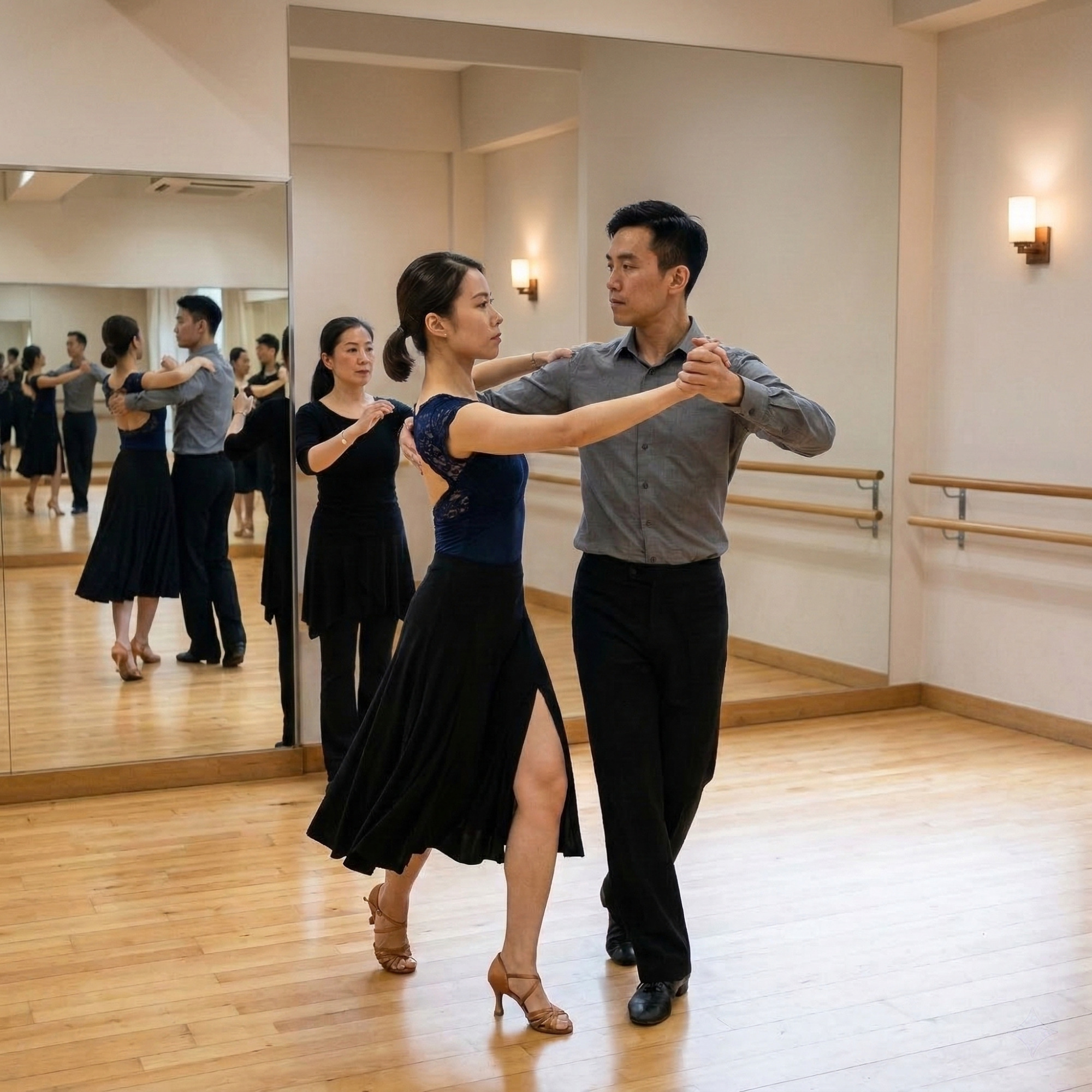
Known as the "Queen of Dances," the Waltz features an elegant and flowing rhythm. When dancing, individuals must maintain an absolutely straight upper body, requiring continuous engagement of the deep core muscles.
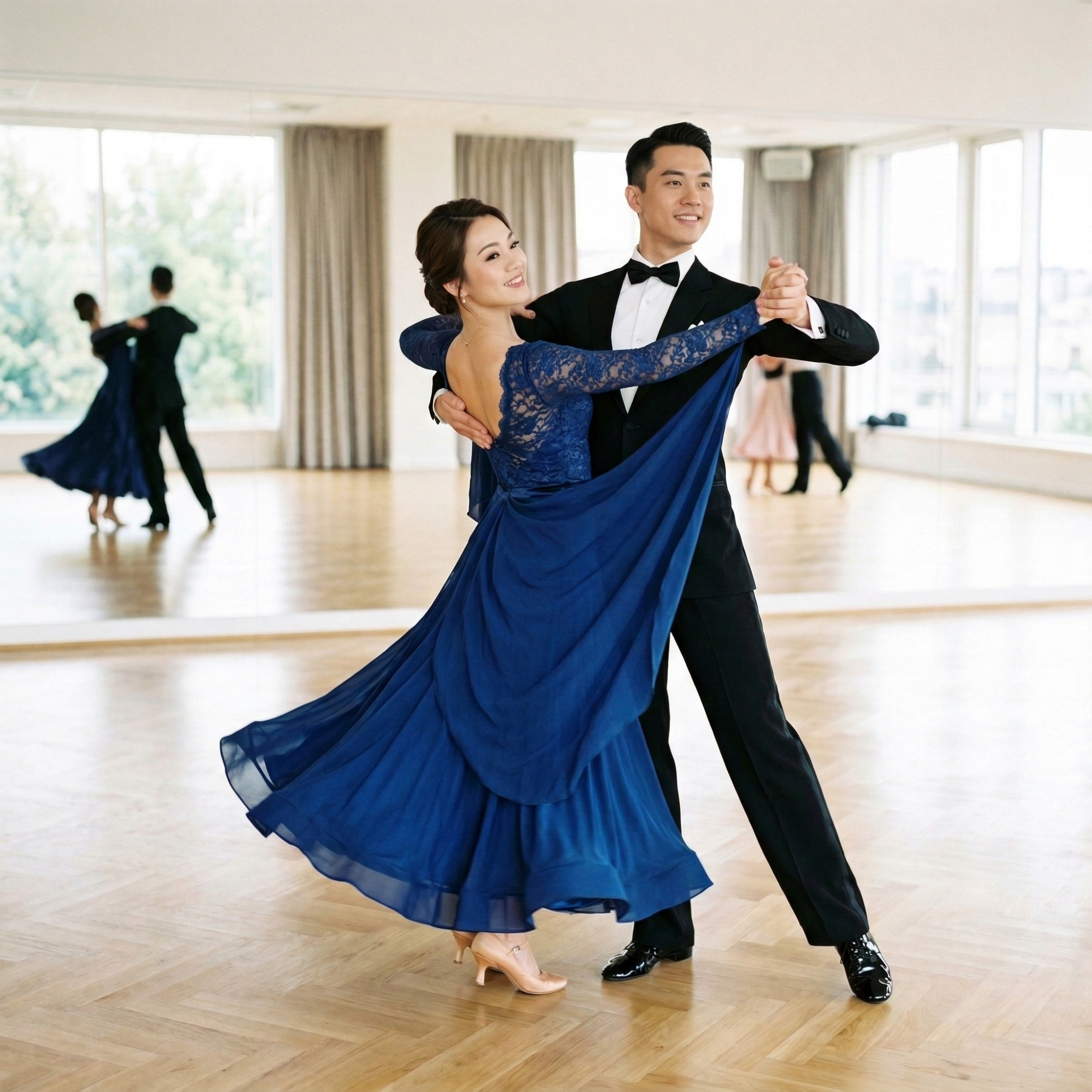
The steps in Tango are powerful and sharp, with distinct pauses. Dancers need to utilize substantial leg and gluteal muscle strength to brake and generate power while maintaining a deep, stable center of gravity.
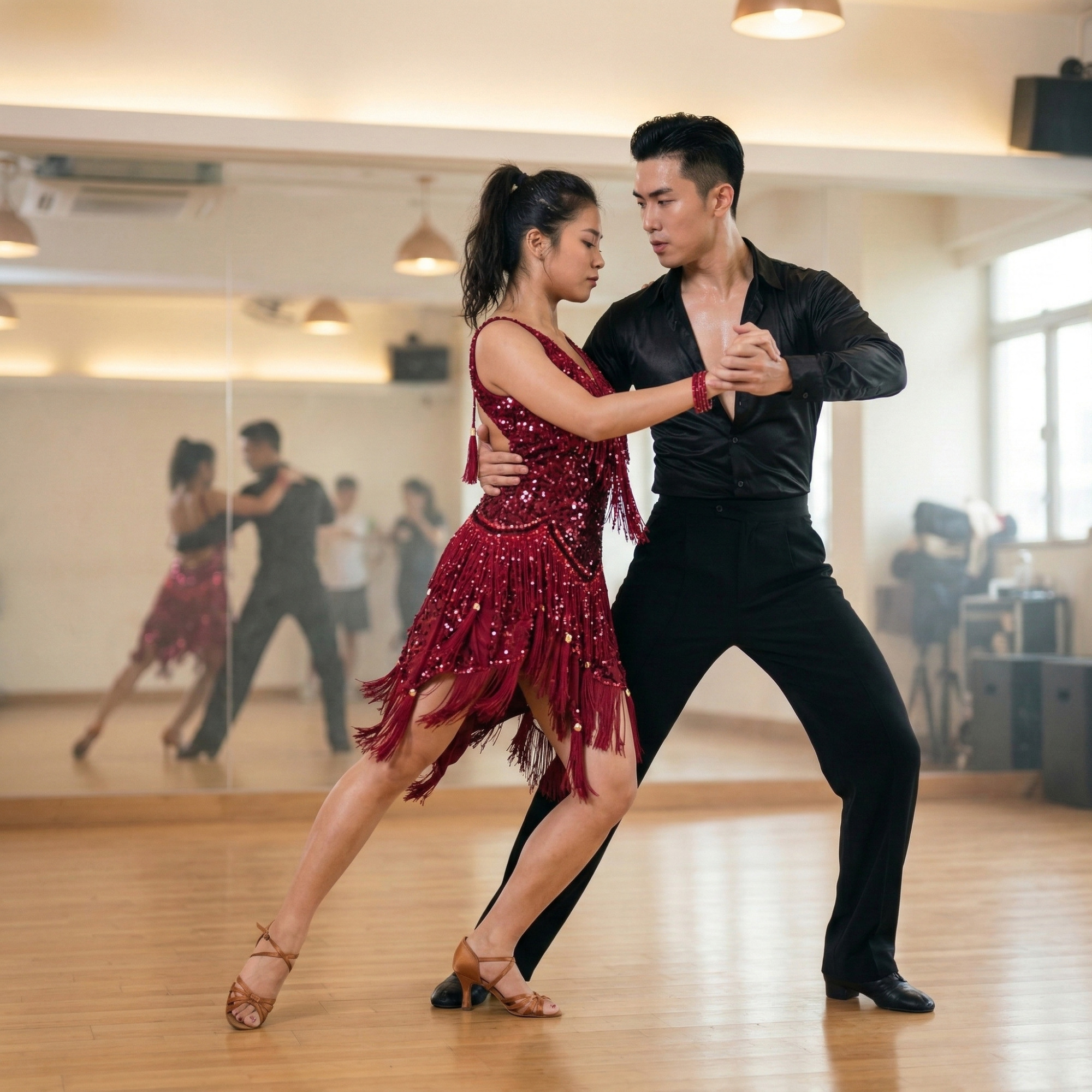
As a type of Latin dance, the Cha-Cha has a brisk and lively rhythm. The choreography involves extensive hip twisting and rapid ankle shifts, effectively activating stiff muscles around the lumbar spine and pelvis, thereby increasing the joints' range of motion.
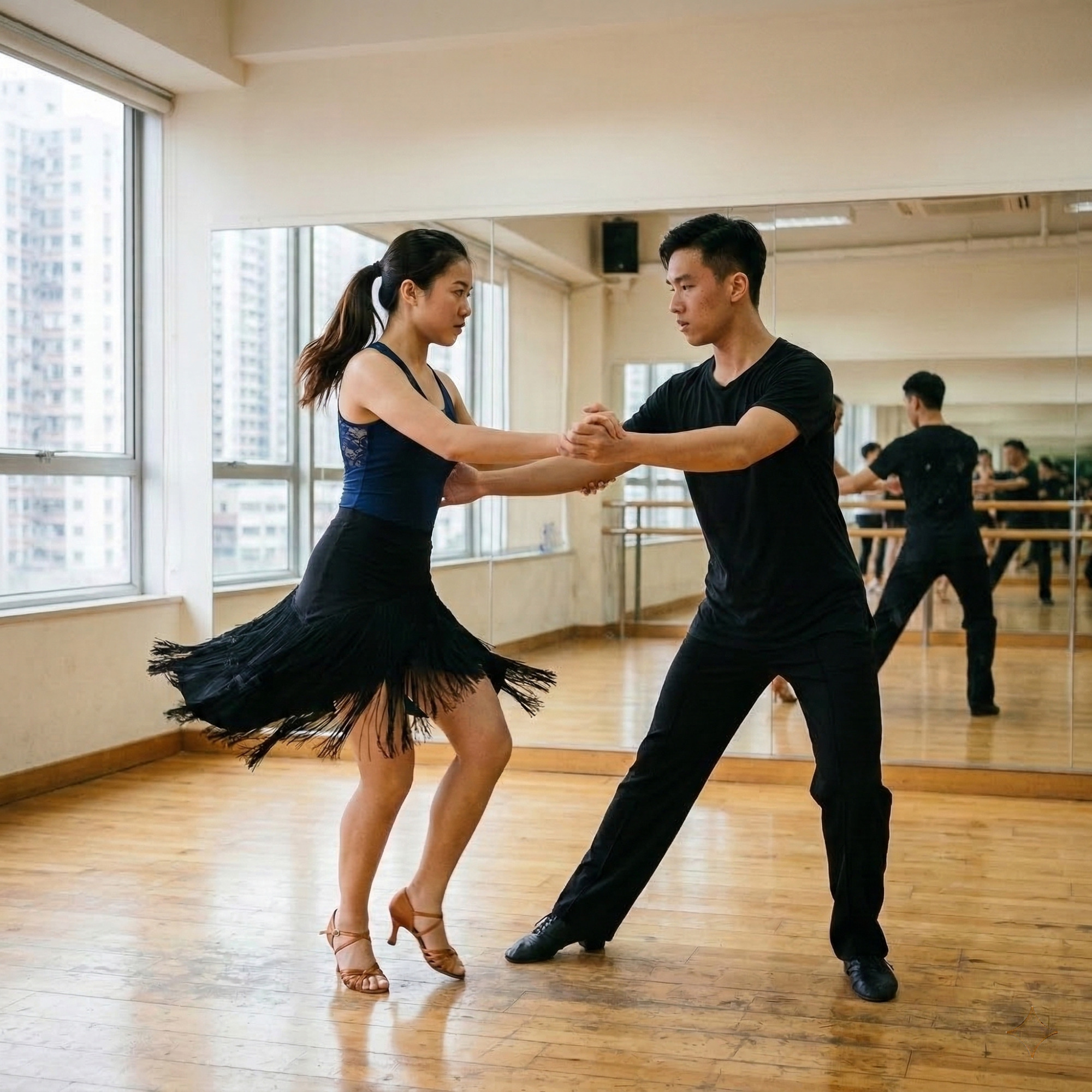
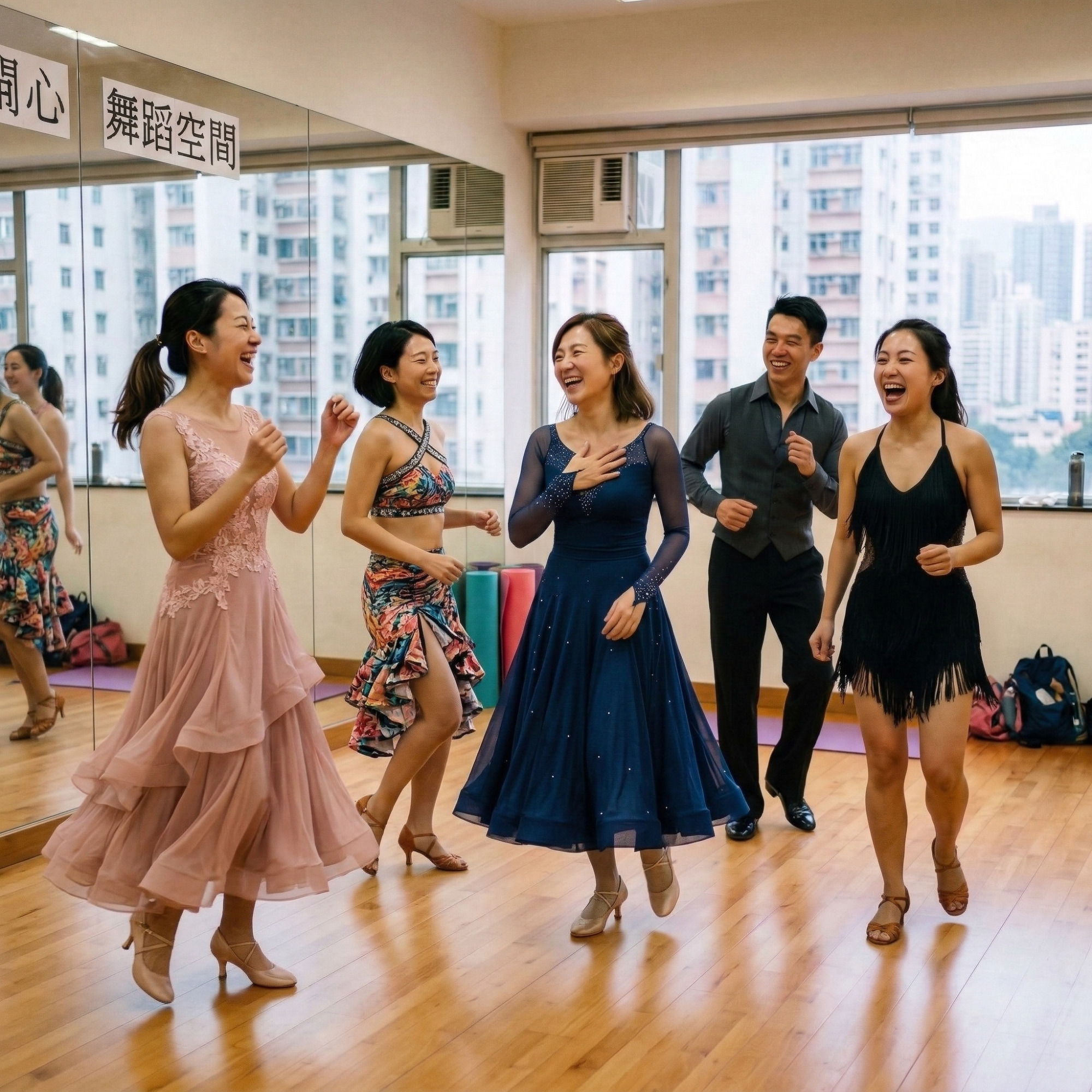
Regardless of which type of social dance you choose, as long as you are willing to move to the music, your body will provide positive feedback. Here are 5 major benefits of dancing:
Dancing strongly emphasizes lifting the chest and engaging the core. Through continuous dance training, you will unconsciously strengthen your back and core muscles, naturally correcting postural imbalances.
Social dance incorporates numerous extensions, rotations, and bending movements. These motions gently stretch the entire body's muscles and ligaments, promoting the secretion of synovial fluid to lubricate the joints.
Dancing regularly safely elevates your heart rate, enhancing the heart's pumping capacity. This promotes systematic blood circulation and gradually builds up your overall cardiovascular endurance.
Dancers must memorize step sequences, sync with the musical rhythm, and simultaneously coordinate with their partner's movements. This multitasking effectively stimulates brain neurons, improving memory and neuromuscular coordination while delaying cognitive aging.
Engaging in positive social interaction with a partner to the accompaniment of beautiful music triggers the brain to release "happy hormones" like dopamine and endorphins. This can significantly lower anxiety and daily stress levels.
Before you put on your dancing shoes and embark on your social dance journey, remember to perform an adequate dynamic warm-up and stretching routine—this will not only prevent injuries but also help you showcase a more graceful posture!
Social dance is more than just an elegant art form; it is a ticket to profound physical and mental health. Now that you understand the different types of social dance, why not pick a style that interests you and give it a try? With persistence, you will personally experience the benefits of dancing, say goodbye to backaches, and regain a vibrant, flexible body through confident steps.

