Kick start your wholesome journey with JC Fit City APP




27 Apr 2026
Share
Road cycling is a sport that combines speed and endurance. So, what's the difference between a professional road bike and the regular bikes we ride daily? As a beginner looking to get into road cycling, how should you prepare? This article will answer these beginner questions, from the differences in bike structure to the essential gear checklist and the riding techniques you need to master.
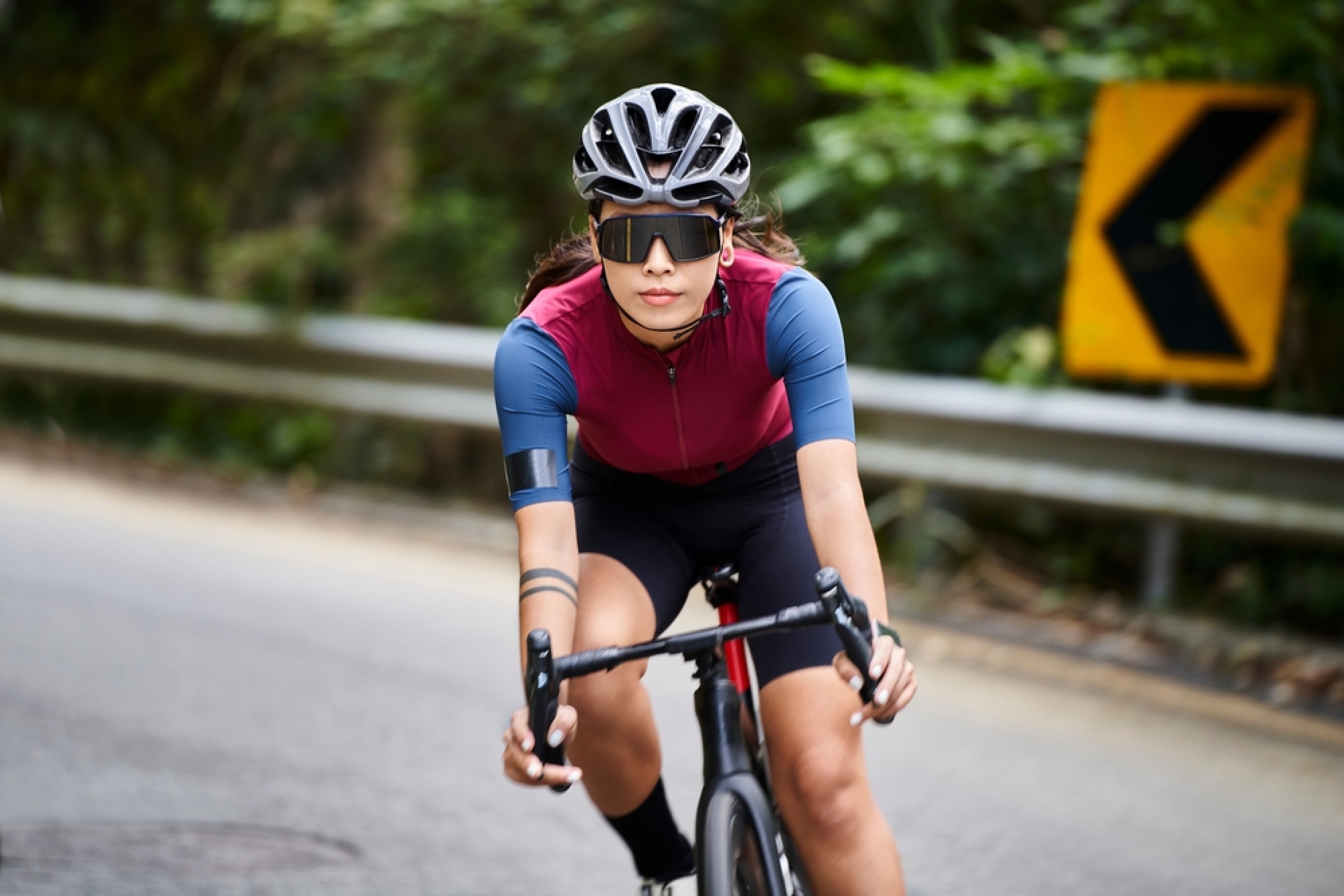
From appearance to performance, every design aspect of a road bike is centered on speed and efficiency. Here are the main differences between the two:
Frame Design: A road bike's design positions the rider in a more forward-leaning posture to achieve the best aerodynamic effect.
Tires: A road bike's tires are typically thinner, lighter, and have a smoother tread, all to minimize rolling resistance as much as possible.
Handlebars: The drop-bar design of a road bike is one of its most distinctive features, offering the rider multiple hand positions to handle different conditions like flat roads, climbs, and sprints.
Weight: Road bikes are generally made from materials like carbon fiber or high-grade aluminum alloy, making the frame much lighter than a regular bike.
Gear System: The gear system on a road bike has a wider gear ratio and is specifically designed for high-speed riding.
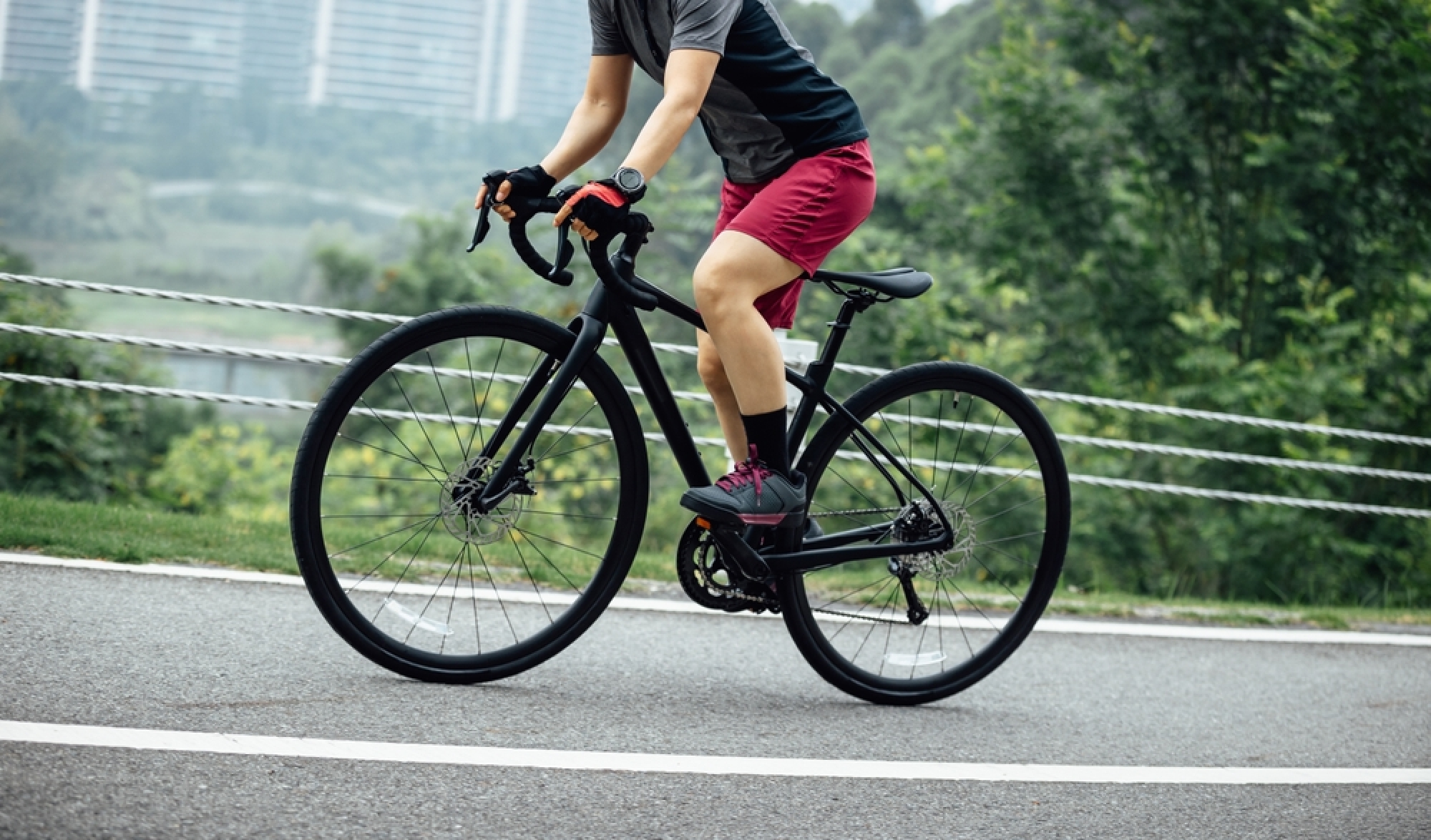
As the saying goes, "To do a good job, one must first sharpen one's tools." Preparing the right equipment not only enhances performance but also ensures safety.
Core Equipment (Essentials)
◦ Road Bike: Choosing a bike of the right size is crucial for beginners. It's recommended to visit a professional bike shop for a consultation and fitting, where staff can help you choose the bike that best suits your body shape.
◦ Helmet: Safety first. A certified helmet is an indispensable piece of protective gear.
◦ Cycling Shorts: Professional cycling shorts have built-in padding that effectively reduces pressure and friction on the sit bones, keeping you comfortable on long rides.
Upgraded Gear (Recommended)
◦ Cycling Jersey and Gloves: A professional cycling jersey helps with sweat-wicking, while gloves provide a better grip and absorb shock.
◦ Water Bottle and Cage: It's important to stay hydrated during long rides.
◦ Sunglasses: Can effectively block UV rays, wind, and dust.

Mastering basic techniques will make your riding experience safer and smoother. The correct riding posture is to keep your back relaxed and use the widest part of the ball of your foot to press down on the pedal. You also need to control the force of the front and rear brakes; generally, the rear brake is for slowing down, while the front brake is for stopping. Pay special attention to speed control on descents, braking early and gently. To master shifting gears, the key is to anticipate the road conditions. You should shift to an easier gear before starting a climb to maintain a smooth pedaling rhythm and avoid struggling to shift mid-climb.
Hong Kong has many routes suitable for road cycling beginners. Here are two recommendations:
Tolo Harbour Cycle Track (Science Park to Tai Mei Tuk)
This entire route is a flat and wide dedicated cycle track, so there's no need to share the road with cars, making it extremely safe. The scenery along the way is beautiful, offering views of Tolo Harbour and the magnificent mountains of Pat Sin Leng in the distance, perfect for beginners to enjoy the fun of cycling. The route starts from Sha Tin Park, passes through the Science Park, and ends at the Tai Mei Tuk dam; beginners can decide the distance based on their stamina. The facilities along the route are excellent, with bike rental shops, restrooms, and refreshment kiosks available near Sha Tin, Science Park, and Tai Po Waterfront Park, making it very convenient. However, because the route is very popular, it can get very crowded with people and cyclists on weekends and public holidays. Beginners should be mindful of keeping a safe distance and pay attention to pedestrians and other cyclists on the path.

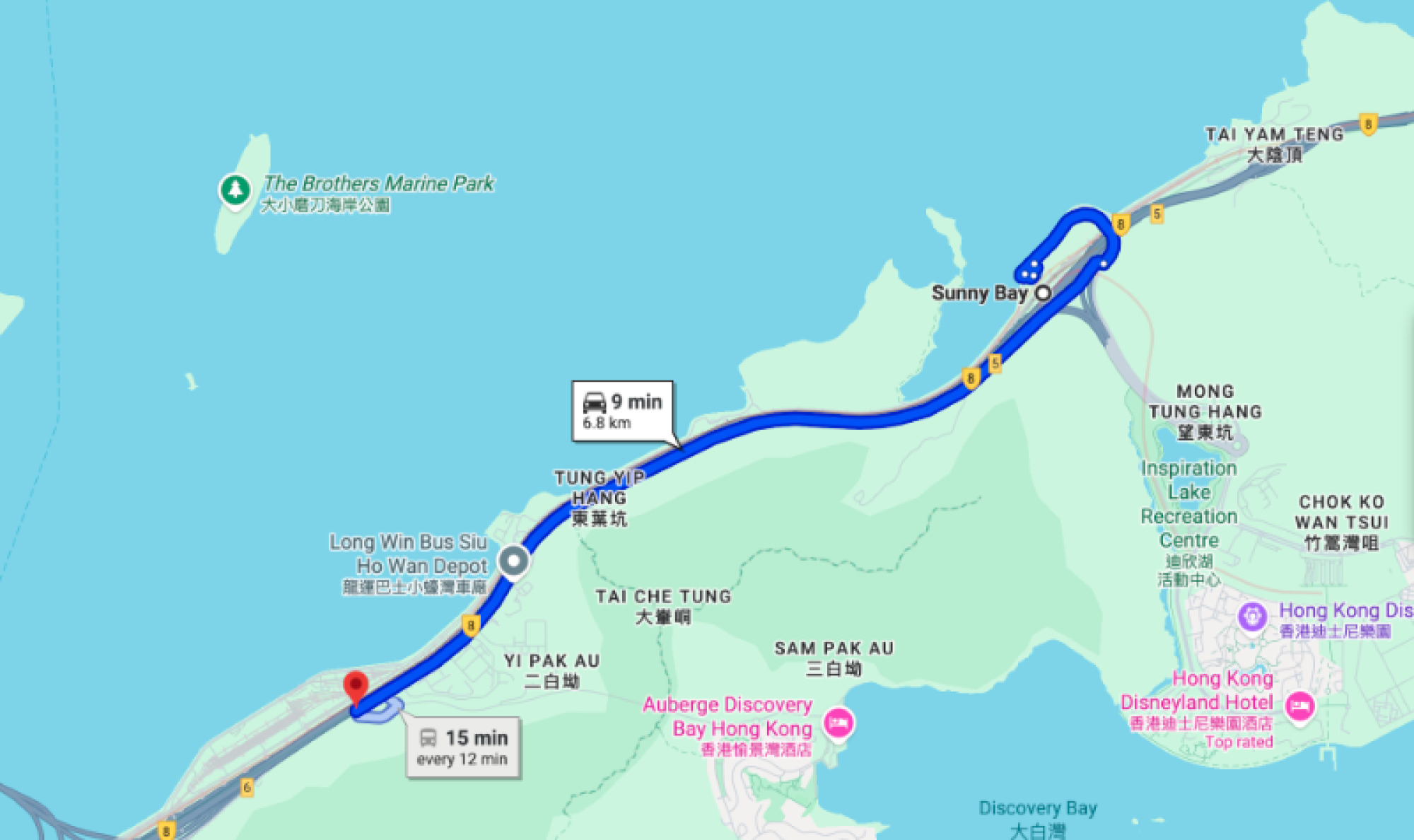
Cheung Tung Road from Sunny Bay to the Disneyland Resort Area
For beginners who want to try riding on a real road but want to avoid heavy traffic, Cheung Tung Road near Sunny Bay and the Disneyland Resort is an excellent training ground. The section is a flat coastal road with relatively light traffic and a good road surface, allowing beginners to practice road cycling skills—like shifting gears, using hand signals, and basic drafting—in a safer environment.
The route starts near the Sunny Bay MTR station and goes along Cheung Tung Road to the vicinity of the Disneyland entrance and back, making a loop of about 10 kilometers, which is suitable for repeated laps. However, there are basically no supply points along the route, so you need to prepare enough drinking water at the convenience store or vending machines inside the Sunny Bay station before you start. Although traffic is light, this is still an open road, and buses and private cars do pass by occasionally. You must strictly obey traffic rules, stay alert, and it's recommended to install front and rear lights on your bike to increase visibility.