
Kick start your wholesome journey with JC Fit City APP




22 May 2026
Share
On a hot summer day, jumping into the water for a swim is a favorite activity for many people in Hong Kong, as it's a great way to cool off and exercise. We all know that swimming has many benefits, but is it truly perfect? Are there any special precautions we need to take while enjoying our time in the water?
This article will provide an objective and comprehensive look into the "pros and cons of swimming," so you can enjoy this sport with greater peace of mind and better health!

Full-body muscle workout: The resistance of the water evenly works all your major muscle groups, from your arms and shoulders to your core and legs, providing a comprehensive workout that helps sculpt a streamlined physique.
A low-impact exercise that protects joints: The buoyancy of water significantly reduces the stress on your joints, making it a low-impact exercise. Therefore, swimming is particularly suitable for overweight individuals, the elderly, or those with previous joint injuries.
Strengthens cardiovascular function: Swimming effectively improves cardiorespiratory endurance, promotes blood circulation, and strengthens the heart.
Burns calories effectively: Depending on the stroke and intensity, swimming can be a highly efficient way to burn fat, making it a great tool for weight loss and maintenance.
Relieves stress and relaxes the mind and body: The feeling of being enveloped by water and the rhythmic nature of swimming help to ease tension. Focusing on your breathing and movements makes swimming a natural remedy for stress.

Although swimming has many benefits, we also need to be aware of some potential issues and take preventive measures to swim safely.
Effects of chlorine on skin and hair: The chlorine used to disinfect public swimming pools is necessary, but it can cause dry skin and hair.
"Swimmer's shoulder" and other injuries: Improper swimming form, especially in freestyle, can lead to overuse of the shoulder joint over time, resulting in what is commonly known as "swimmer's shoulder".
Risk of ear infections: If water gets in the ear and is not properly removed, it can lead to an infection of the outer ear canal.
Hygiene considerations for public pools: Choosing a well-managed public pool with good hygiene is crucial for protecting your personal health.
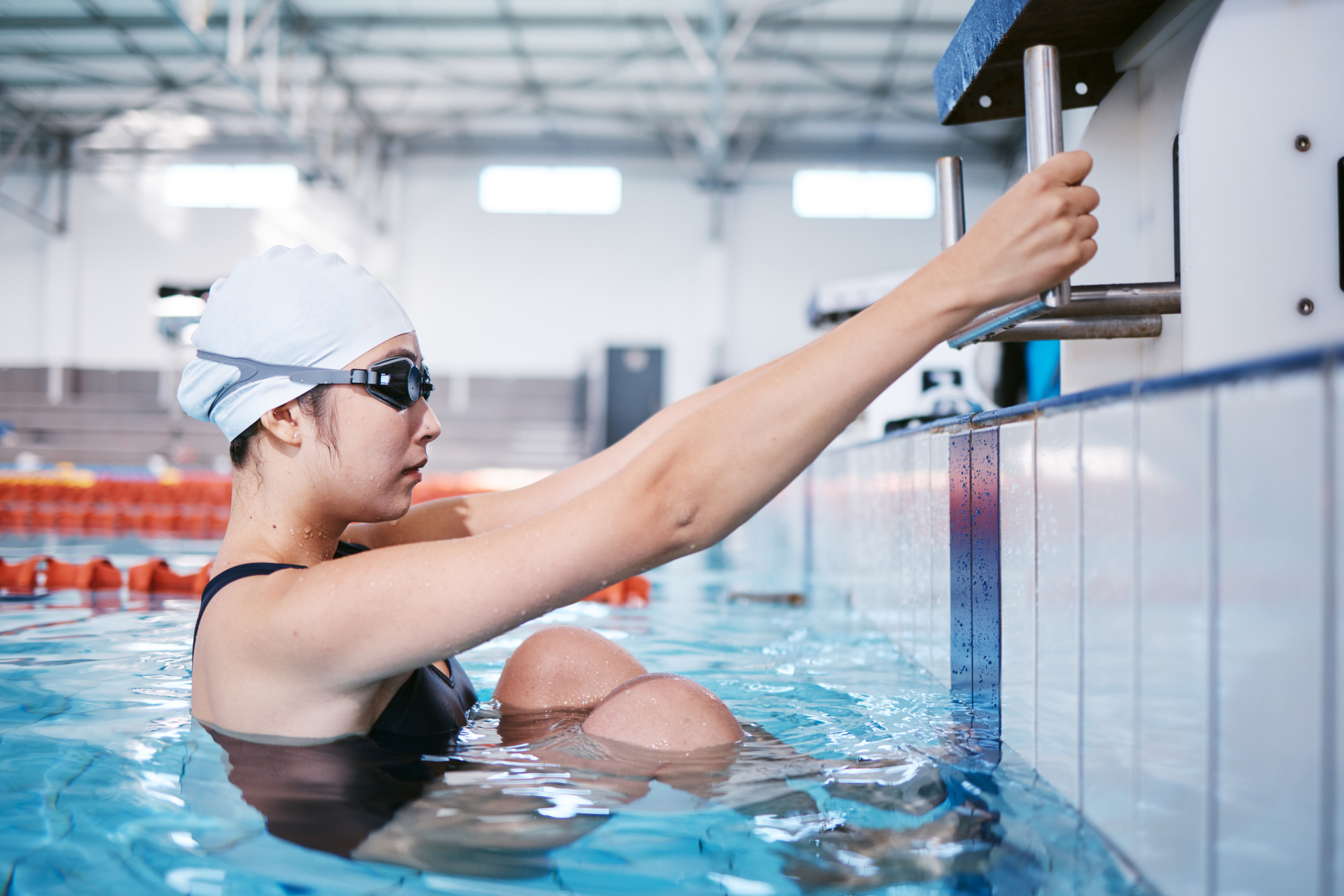
Before you swim: Shower thoroughly before entering the pool. Wearing a suitable swimming cap and goggles not only protects your hair and eyes but is also basic pool etiquette.
After-care: Shower immediately with a mild body wash to cleanse your body thoroughly after swimming. Carefully clean your ears and apply moisturizer to keep your skin hydrated.
Safety first: Always pay attention to proper swimming form; if in doubt, consult a professional coach. Know your limits and never force yourself to continue when you are exhausted.
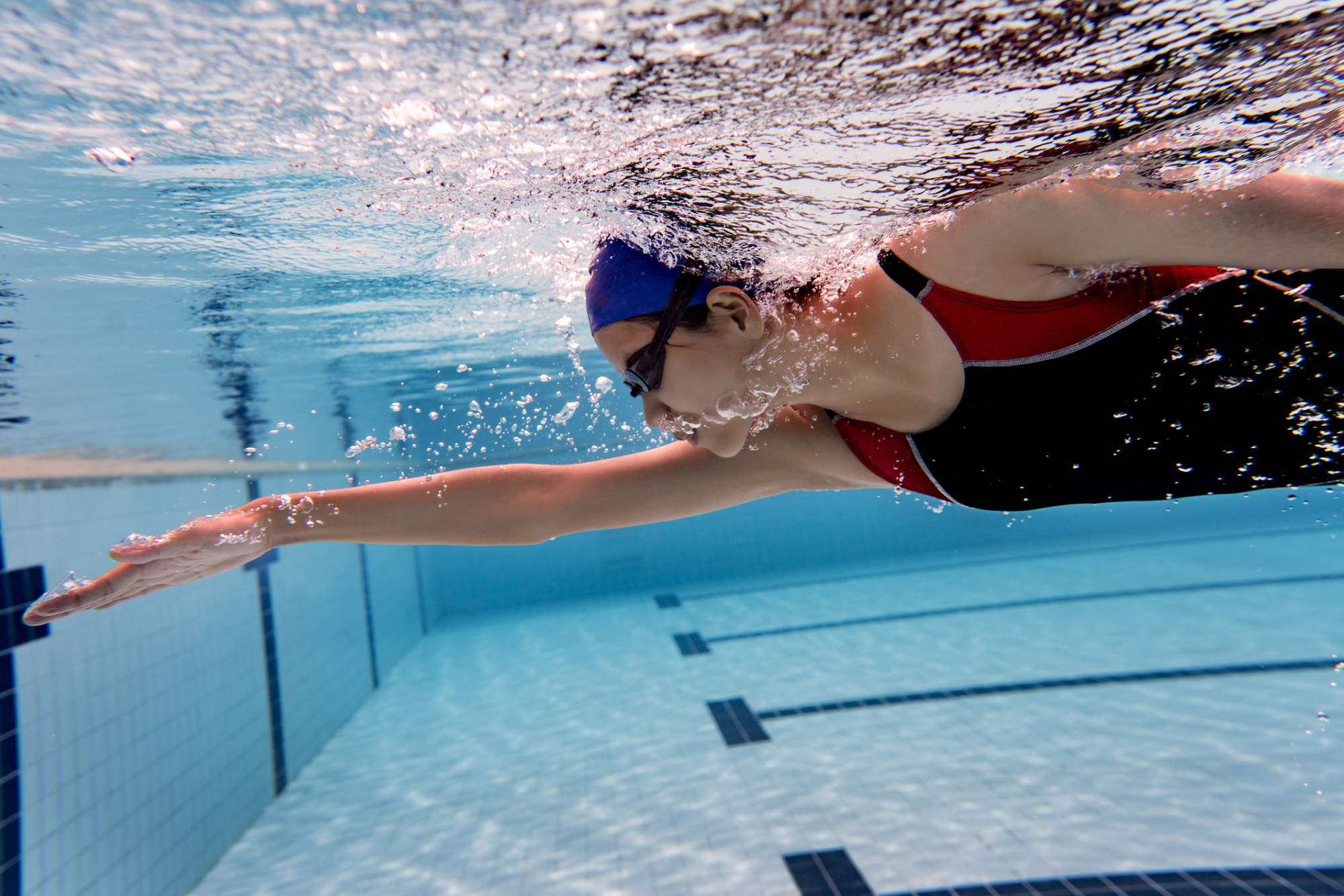
In summary, the benefits of swimming far outweigh its potential drawbacks. As long as you take proper precautions and care, swimming is a highly recommended sport. Get prepared, take care of yourself afterward, and jump in the water to enjoy the fun and health benefits of exercise!

